6 min read
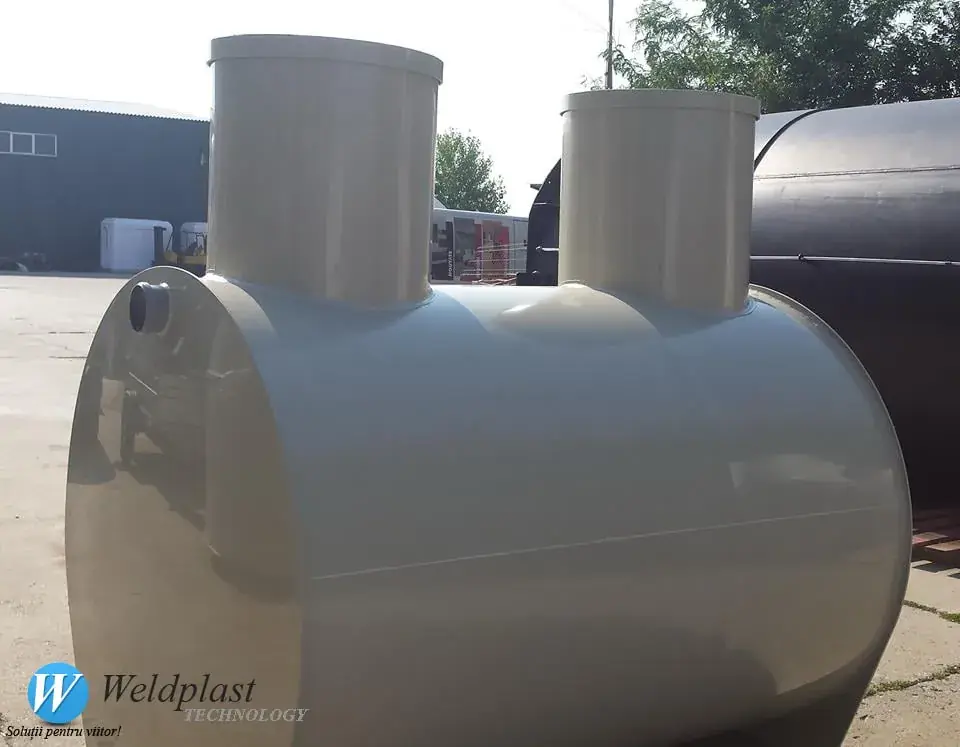
A grease separator protects sewerage and wastewater pretreatment from commercial kitchens. Selection starts from activity, flow, temperature, detergents and maintenance.
Quick specification table
| Weldplast applications | Hotels, guesthouses, restaurants, slaughterhouses, meat processingFrom the separators page. |
|---|---|
| Relevant standard | SR EN 1825-1 and SR EN 1825-2Part 1 covers product requirements; Part 2 covers selection, sizing, installation, operation and maintenance. |
| Sizing inputs | NS, flow, wastewater sources, temperature, grease, detergentsFormula and coefficients are confirmed in the project for an NS suited to the application. |
| Existing Weldplast data | Grease separators, max. 60°C, resistance to bacterial corrosionFrom the separators page; the separator is configured made to order, with no fixed standard sizes. Material is documented through the material supplier certificates, welding is DVS-certified by Weldplast, and NS/model are confirmed per project. |
SR EN 1825-1 vs SR EN 1825-2
EN 1825-1
Product and performance
Principles of design, performance, testing, marking and quality control for grease separators.
EN 1825-2
Selection and operation
Nominal size selection, installation, operation and maintenance.
When to consider it
Restaurants, canteens, guesthouses, slaughterhouses and meat processors discharge fats and oils into wastewater. A separator is discussed when these waters enter sewerage or pretreatment.
The guide helps prepare the inputs, while the final requirement is aligned with the project, sewer operator and local authority.
NS is established from application data
Nominal size is established from flow sources, temperature, density/grease, work schedule and connected equipment.
For a quote, list sinks, dishwashers, drain points, menu/process and cleaning frequency.
HoReCa checklist
- 1Activity type: restaurant, canteen, hotel, guesthouse, slaughterhouse.
- 2Meals/servings count or work schedule.
- 3Connected equipment list and estimated flows.
- 4Water temperature and detergents used.
- 5Installation place, vacuum truck access and discharge route.
- 6Model and NS are confirmed per project under SR EN 1825; material comes with the material supplier certificates, and welding is DVS-certified by Weldplast.
Short FAQ
Is it mandatory for every restaurant?
For commercial kitchens, it is often required or recommended. The final requirement is confirmed with the project, sewer operator and local authority.
Can I choose by number of meals?
Meal count helps with estimation. NS is established from flows, equipment, temperature, grease and schedule.
What maintenance should be planned?
Frequency is set by grease/sludge capacity and operating experience. Unless otherwise specified, EN 1825-2 recommends emptying, cleaning and refilling with clean water at least monthly, preferably every two weeks; local/operator rules can be stricter.
Useful links
Have the kitchen equipment list?
Send activity, flows and installation place to choose a grease separator.
Request QuoteSources and limits
- Existing Weldplast content: the separators page mentions grease separators for hotels, guesthouses, restaurants, slaughterhouses and meat processing plants.
- SR EN 1825-1 covers design/performance/testing/marking/quality control; SR EN 1825-2 covers NS selection, installation, operation and maintenance.
- Public EN 1825 nominal-size formula: NS = Qs × ft × fd × fr, then select the next higher preferred nominal size; default maintenance frequency is at least monthly, preferably every two weeks. Final project NS and model are confirmed per project; price is confirmed through a quote. Material is documented through the material supplier certificates, and welding is DVS-certified by Weldplast.