6 min read
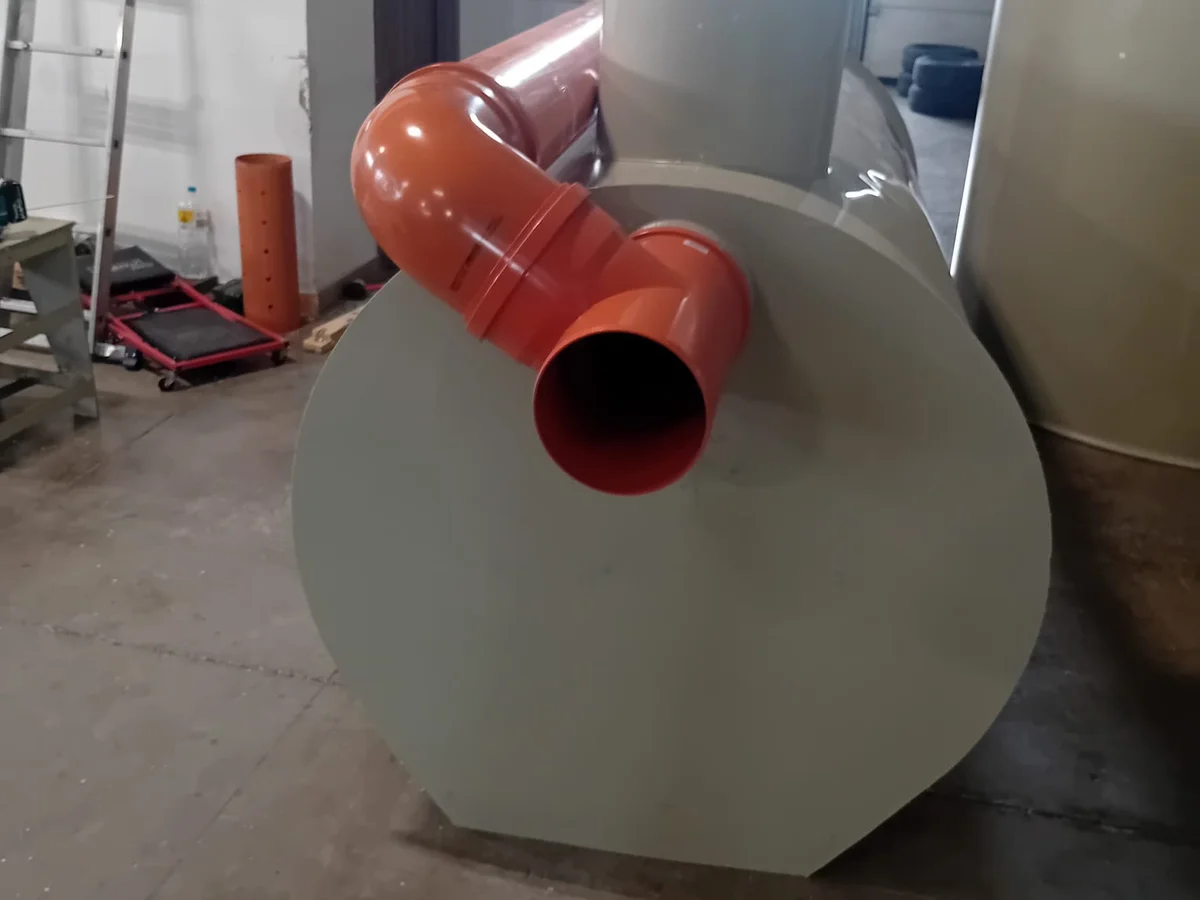
The right choice starts with the application and flow rate, and Weldplast can use those inputs to shape the right configuration. A responsible quote works best with the water source, peak flow, hydrocarbon type, detergent use, sludge volume and the local discharge requirement.
Quick specification table
| Typical applications | Car washes, parking areas, workshops, fuel stationsChoose the setup from the water source: stormwater, process water or mixed flows. |
|---|---|
| Relevant standard | SR EN 858 / EN 858-1 and EN 858-2Confirm the edition and permit requirement so the quoted solution aligns with specialist design. |
| Separator classes | Class I / Class IIClass I is common when the discharge limit is stricter; Class II may be enough where the permit allows it. |
| Existing Weldplast data | 0.5–100 L/s, PE-HD / PP-H, Class II (EN 858)Values from the separators page; equipment is configured made to order, with no fixed standard sizes. Material conformity is based on the material supplier certificates, welding is DVS-certified by Weldplast, and the model class/documents are confirmed per project. |
EN 858 Class I vs Class II
Class I
≤ 5 mg/l in the standard test
Usually uses a coalescing stage and is the safer choice when the permit imposes a strict discharge limit.
Class II
≤ 100 mg/l in the standard test
Suitable for less strict requirements; the current Weldplast separators page states Class II EN 858 for hydrocarbon separators.
NS sizing checklist
For preliminary sizing, treat NS as the calculation result based on project data. The practical formula starts from rainwater flow Qr, wastewater flow Qs, detergent factor fx and density factor fd: NS = (Qr + fx × Qs) × fd.
For car washes, record the number of bays, equipment flow, whether detergent pre-wash is used, water temperature and whether stormwater enters the same separator. For parking areas, the critical input is design stormwater flow and collected surface area.
Documents to request before ordering
Ask for the quoted model data sheet, installation drawing, sludge trap volume, manhole positions and declared class. For permitted projects, confirm the delivered model documents per project: material conformity comes from the material supplier certificates, and welding is DVS-certified by Weldplast.
For the right choice, confirm the required class, nominal flow, bypass/full-retention option and local discharge conditions alongside any general “EN 858 compliant” reference.
Checklist before requesting a quote
- 1Define the application: car wash, parking area, service shop, fuel station or workshop.
- 2Separate flows: Qr stormwater, Qs process water and the maximum simultaneous scenario.
- 3Record detergent/degreaser use and whether it can affect separation.
- 4Set the required class from the permit: EN 858 Class I or Class II.
- 5Request sludge trap volume and access for maintenance/vacuum truck service.
- 6Clarify bypass or full retention and where the discharge sample is taken.
Short FAQ
Is Class I mandatory for a car wash?
The class is chosen from the discharge permit and local design. When the limit is strict, Class I is usually the prudent option, with the designer and authority confirming the final requirement.
Can I choose the separator only from parking surface area?
Parking surface area is a useful starting point for stormwater flow. For the right selection, the team also checks process flow, sludge, light-liquid density, detergent and bypass/full-retention requirements.
Which Weldplast values are already public?
The separators page states 0.5–100 L/s, PE-HD/PP-H materials and Class II EN 858. For the quoted model, material is documented through the material supplier certificates, welding is DVS-certified by Weldplast, and class/reports are confirmed per project.
Useful links
Have the flow data? Send it for a check.
For a quote, include the application, flow rate, collected surface, detergent and class requirement from the permit. Weldplast can propose the right configuration and validation steps.
Request QuoteSources and limits
- SR EN 858 / EN 858-1 and EN 858-2 — standards for light-liquid separators; verify the edition required by the project.
- Existing Weldplast content: the separators page states 0.5–100 L/s, PE-HD / PP-H and Class II (EN 858).
- Weldplast 2025 hydrocarbon separator project: coalescing filter, BW filter and 4 L/s bypass.