6 min read
For geomembranes, the seam matters as much as the sheet. The process depends on joint type, access, thickness, detail and the test plan accepted by the project.
Quick specification table
| Typical processes | Hot wedge / double seam and extrusion weldingHot wedge for long seams; extrusion for details, repairs and difficult access. |
|---|---|
| Typical tests | Air pressure, vacuum box, visual check; mechanical samples per the project QC planThe method belongs in the work quality plan. |
| Existing Weldplast data | Hot air, extrusion, butt welding; PP, PE, PVC; DVS 2201–2209From the welding services page; geomembrane procedure and test log are defined per job. |
| Applications | Ponds, basins, landfills, anticorrosive liningsApply only where the project and material allow it. |
Extrusion vs hot wedge
Hot wedge
Long, fast seam
Suitable for linear overlaps and can create an air channel for pressure testing.
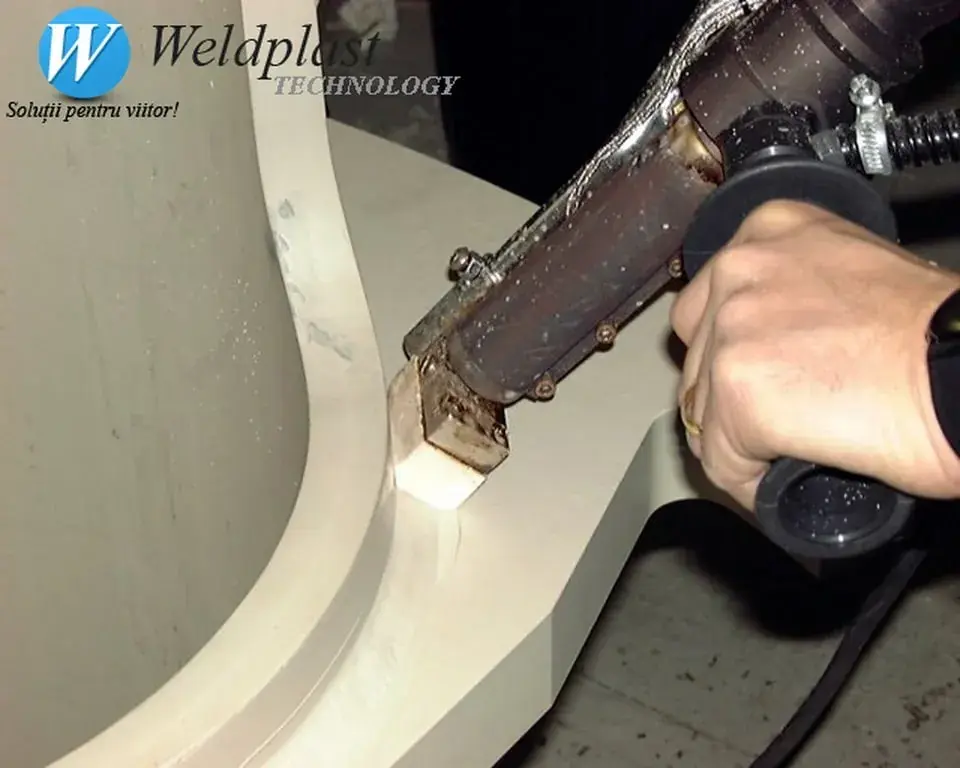
Extrusion
Details and repairs
Suitable for corners, penetrations, patches and seams where extrusion gives the right access.
Testing must be agreed before welding
For a double seam with a channel, an air-pressure test checks channel continuity. For extrusion welds or details, a vacuum box can reveal leaks in the tested area.
Watertightness is confirmed through protocol, equipment, pressures, durations and a test report. These values are set by the designer and the project QC plan.
Documents to request
Request the welding plan, material identification, method statement, welder qualification, site weather log and seam test report.
Weldplast welding is DVS-certified; for geomembranes, confirm the project-specific procedure and acceptance standard separately.
Work checklist
- 1Define geomembrane material, thickness and application.
- 2Set process by area: hot wedge, extrusion or repairs.
- 3Request the test plan: air pressure, vacuum box, mechanical samples if required.
- 4Record site conditions: temperature, wind, substrate, moisture.
- 5Keep seam traceability and acceptance report.
- 6Ask for written confirmation of every test value before acceptance.
Short FAQ
Is visual inspection enough?
Visual inspection is the first step. For critical work, the project may also require air pressure, vacuum box or mechanical samples.
When is extrusion used?
Extrusion is suitable for details, corners, patches, repairs and areas where access calls for this process.
Can I cite DVS without documents?
Yes. Weldplast welding is DVS-certified; the procedure and acceptance standard for the concrete geomembrane job are confirmed separately.
Useful links
Have the geomembrane plan?
Send thickness, application, details and testing requirements for a welding-process review.
Request QuoteSources and limits
- Existing Weldplast content: the welding services page mentions hot air, extrusion, butt welding, PP/PE/PVC, EU-certified personnel and DVS 2201–2209.
- The named site methods are common for HDPE geomembranes: air pressure for double seams and vacuum box for extruded areas; parameters are set by each project's QC plan.
- Pressure values, durations, mechanical samples and certificate numbers are confirmed per job.